Die-Cut vs Rectangular Static Cling: Which to Order
the right edge for every window.
Choose rectangular static cling when the window needs to carry text, hours or an offer, and choose die-cut static cling when the logo or shape itself should be the message. Custom Static Cling prints both shapes on clear, white, frosted and other films from a minimum of 12, and a free mockup within 24 hours shows each option on your own artwork.
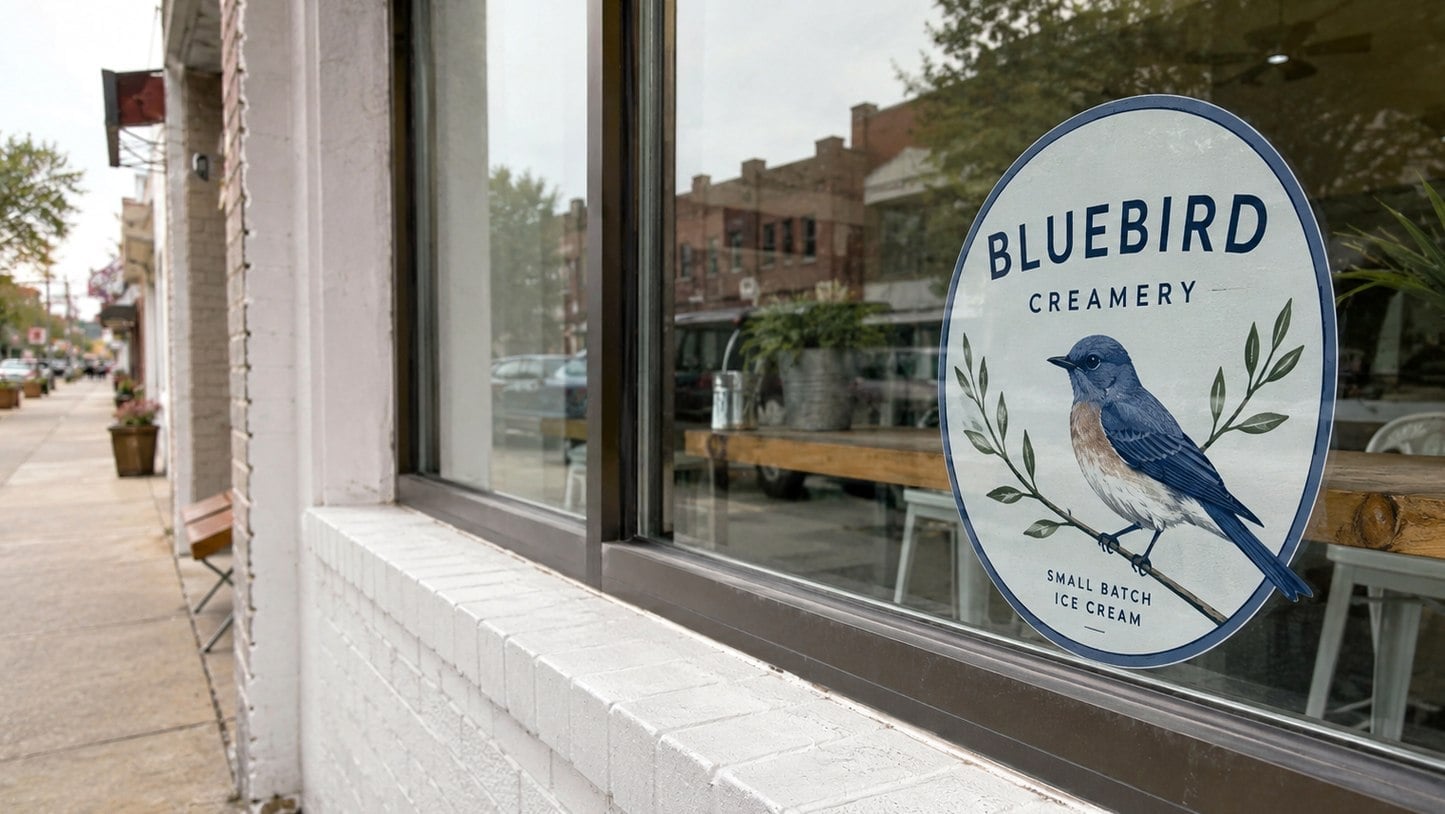
Where each static cling shape earns its place.
Logo on the door glass
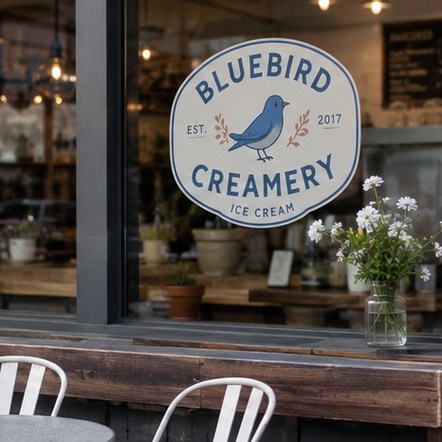
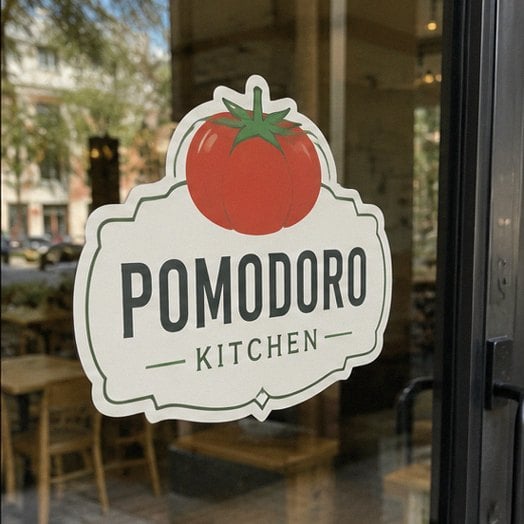
A die-cut static cling trimmed to the outline of a logo looks painted on, with no visible box around the mark.
Store hours and policies
A rectangular static cling gives hours, payment notes and contact details a clean frame that stays readable at the door.
Promotions and sale banners
Rectangular clings hold a headline, offer details and a QR code together, then peel off clean when the promotion ends.
Icons and seasonal shapes
Die-cut clings shaped like a snowflake, coffee cup, star or arrow add personality to a window without a hard border.
Glass display cases
Small die-cut clings mark a case with a logo or symbol, while rectangular labels list product details inside the store.
Vehicle and office windows
Rectangular clings carry parking or visitor notices, and die-cut clings place a clean brand mark on interior office glass.
Custom static cling styles you can order.
 White Static Cling — Custom Printed Static Cling | Custom Static Cling
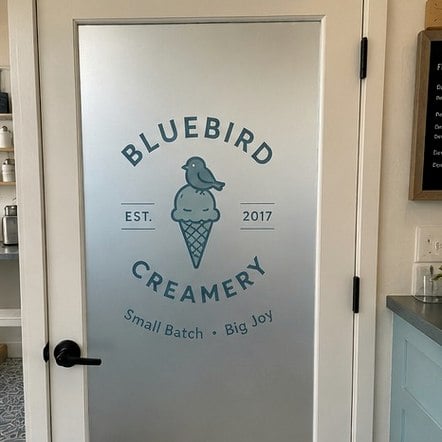 Frosted Privacy Cling — Custom Printed Static Cling | Custom Static Cling
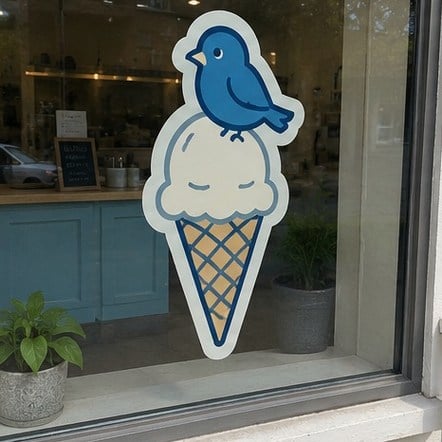 Die-Cut Shape Cling — Custom Printed Static Cling | Custom Static Cling
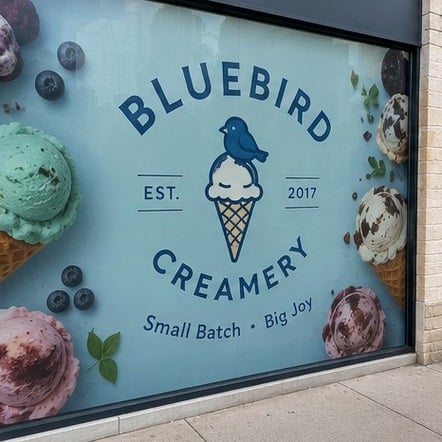 One-Way Vision Window Cling — Custom Printed Static Cling | Custom Static Cling
 Reverse / Interior-Read Cling — Custom Printed Static Cling | Custom Static Cling
See both shapes on your artwork before you decide.
Most buyers do not need to guess between a die-cut and a rectangular static cling. Custom Static Cling can mock up the same artwork both ways within 24 hours, so you compare the outline, the readability and the look on the glass before anything is printed.
- Side-by-side mockups of both shapes on request
- Unlimited free revisions to the cut line
- Pay nothing until you approve the design
Static cling shapes built to your artwork.
Shapes
Straight-edged rectangles and squares, or die-cut outlines that follow a logo, icon, letterform or custom contour.
Films
Both shapes are available on clear, white, frosted privacy and interior-read cling, matched to how the window is viewed.
Quantities
Start from a minimum of 12 clings per design, and mix shapes across designs in the same order.
Timing
A free mockup within 24 hours and production in about 2 weeks after approval, faster with express shipping.
What is the difference between die-cut and rectangular static cling?
The difference between die-cut and rectangular static cling is the outer edge. A rectangular static cling is cut as a straight-sided rectangle or square, so the artwork sits inside a visible frame of film. A die-cut static cling is trimmed to follow the outline of the artwork itself, so a logo, icon or shape appears on the glass without a box around it.
Everything else can stay the same. Custom Static Cling prints both shapes in full color on the same films, and both hold to smooth glass without adhesive and peel off without residue. The choice is about how the graphic should look and what it needs to say, not about how well it sticks.
- Rectangular: a framed panel that holds text, layouts and backgrounds.
- Die-cut: a free-floating shape that reads as part of the window.
Die-cut vs rectangular static cling: how do they compare side by side?
Die-cut static cling wins on look and brand presence, while rectangular static cling wins on message capacity and simplicity. The table below compares the two shapes on the points buyers ask about most when ordering window clings from Custom Static Cling.
| Factor | Rectangular static cling | Die-cut static cling |
|---|---|---|
| Best for | Hours, offers, notices, menus, multi-line text | Logos, icons, mascots, seasonal shapes |
| Look on the glass | Framed panel, edge visible on clear film | Shape floats on the glass with no box |
| Text capacity | High, room for headlines and details | Low, best with a short word or none |
| Background color | Easy to fill edge to edge | Follows the shape only |
| Artwork setup | Standard print file at final size | Print file plus a cut line around the shape |
| Handling and reuse | Easy to align, square edges stack neatly | Fine points need gentle handling on the liner |
Neither shape lasts longer than the other. Longevity depends on the film, the glass and how carefully the cling is stored on its liner between uses.
When should I choose a rectangular static cling?
Choose a rectangular static cling when the window has to communicate information rather than just show a brand. Store hours, return policies, accepted payments, sale headlines, event dates and QR codes all need a defined space, and a rectangle gives them a clean frame that is easy to read from the sidewalk or the parking lot.
Rectangles also make color backgrounds simple. On white static cling, the whole panel can be filled with a brand color, which helps text stand out against a busy store interior. On clear film, the straight edge is faint but present, so designs with a deliberate border or full background tend to look the most finished.
- Door notices with several lines of copy
- Seasonal sales and limited-time offers
- Directional signs such as entrance, exit or pickup
- Any design where you want a solid background color
The white static cling and clear static cling pages explain how each film handles a rectangular layout.
When is die-cut static cling the better choice?
Die-cut static cling is the better choice when the shape itself carries the message. A logo cut to its own outline on a door or display case looks close to permanent lettering, yet it peels off cleanly. Icons such as a pumpkin, a gift box, a heart or a paw print turn a plain window into something that feels decorated rather than labeled.
Die-cut works best with bold, simple outlines. Very thin strokes, tiny gaps between letters or delicate points make the cut harder to handle and to apply, so Custom Static Cling may suggest a slightly wider contour around detailed artwork. That contour keeps the shape intact without hiding what makes the logo recognizable.
- Brand logos on entry doors and office glass
- Seasonal and holiday icons
- Mascots, product shapes and character art
- Accent pieces that pair with a rectangular sign
See the die-cut shape cling page for examples of shapes and films that suit a contour cut.
Does the film change which shape I should order?
The film changes how visible the edge is, so it can tip the decision. On clear static cling, a rectangle shows a faint outline of film around the artwork, which is why die-cut is popular on clear when the goal is a floating logo. On white static cling, the white panel is part of the design, so a rectangle reads as an intentional sign and a die-cut shape reads as a solid sticker.
Frosted privacy cling is usually ordered in rectangles sized to cover part of a pane, though die-cut frosted shapes can create a decorative etched-glass look. Interior-read cling works in either shape when the graphic is applied inside the glass and read from outside.
| Film | Rectangle reads as | Die-cut reads as |
|---|---|---|
| Clear | Framed panel with a faint edge | Floating logo or icon |
| White | Solid sign | Solid shaped sticker |
| Frosted | Privacy band or panel | Decorative etched shape |
Can I combine die-cut and rectangular static clings in one window?
Combining both shapes is often the strongest window layout. A die-cut logo near eye level brands the door, while a rectangular panel below it carries the hours or the current offer. Each piece can be swapped on its own schedule, so the logo stays up all year and the rectangle changes with each promotion.
Custom Static Cling treats each shape as its own design, each with a minimum of 12, and they can be quoted and mocked up together in one order. Sharing the window measurements and a photo of the glass helps the mockup show both pieces at the right scale relative to each other and to the door hardware.
- Pick the permanent element, usually the die-cut logo.
- Plan the changing element as a rectangle sized to the space left over.
- Request one mockup that shows both on the same window.
What is the verdict: die-cut or rectangular static cling?
The verdict is simple: if the window needs words, order rectangular static cling; if the window needs a brand mark or a shape, order die-cut static cling. Most storefronts end up using both, with the rectangle doing the talking and the die-cut piece doing the branding.
If you are still unsure, send the artwork through the quote form and ask for both versions. Custom Static Cling returns a free mockup within 24 hours, revisions are unlimited, and nothing is charged until you approve the design. Production then takes about 2 weeks, with faster delivery available through express shipping.
From your logo to delivered static cling in four steps.
Send your artwork
Upload your logo or describe the idea and tell us the quantity you have in mind.
Get a free mockup
A designer returns a mockup of your static cling with the artwork in place. Unlimited free revisions.
Approve the design
Nothing is produced until you approve the mockup, and you pay nothing before that.
Receive your order
Standard production is about two weeks after approval; faster turnaround is available with express shipping.
Custom static cling for die-cut and rectangular window clings, answered.
Is die-cut static cling harder to apply than a rectangular one?
Die-cut static cling takes slightly more care to apply because narrow points and thin sections can fold over while you peel the liner. Starting from the widest part of the shape and smoothing outward with a soft cloth solves most issues. Rectangular static cling is easier to align because the straight top edge can be lined up with the window frame.
Does a die-cut static cling look more professional on a storefront door?
A die-cut static cling usually looks more polished for a logo on a door because there is no visible box of film around the mark. On clear film especially, the shape appears painted on. Custom Static Cling recommends a rectangle instead when the door graphic also needs hours, phone numbers or several lines of text.
Can a rectangular static cling have rounded corners?
A rectangular static cling can be ordered with rounded corners, which softens the look and helps the corners resist lifting when the cling is handled and reused. Mention rounded corners on the quote form and Custom Static Cling will show the corner style on the free mockup, returned within 24 hours, before anything is printed.
How do I know if my logo is too detailed to die-cut as a static cling?
A logo is usually too detailed for a tight die-cut static cling when it has hairline strokes, small separate pieces or letters that do not touch. Custom Static Cling can add a contour border around the artwork so the cut follows a simpler outline. The mockup shows that contour so you can judge the result first.
Which static cling shape is better for a QR code?
Rectangular static cling is the better shape for a QR code because the code needs a quiet margin of plain background around it to scan reliably. A rectangle gives that margin naturally. If you want a die-cut design, Custom Static Cling can place the code on a small rectangular panel that sits beside the shaped piece.
Do die-cut static clings store and reuse as well as rectangles?
Die-cut static clings reuse as well as rectangular ones when they go back on their original backing liner after each use. Shaped pieces should be stored flat so points and narrow sections do not curl. Rectangular clings stack more neatly in a folder, which makes them a little easier to manage for frequent seasonal swaps.
Can one static cling order include both die-cut and rectangular designs?
One static cling order can include both die-cut and rectangular designs, with each design meeting the minimum of 12. Custom Static Cling mocks up all designs in the order together, so you can see the shaped logo and the rectangular message side by side and check that colors match before approving anything.
Is a die-cut static cling a good choice for holiday window decorations?
Die-cut static cling suits holiday window decorations because shapes like snowflakes, ornaments, hearts and pumpkins look decorative rather than like signs. The pieces peel off after the season and go back on their liner for next year. Custom Static Cling suggests pairing them with a rectangular cling if the window also needs to announce holiday hours.
Why does the edge of my rectangular static cling show on clear glass?
The edge of a rectangular static cling shows on clear glass because the film catches light slightly differently from the window around it. Most people notice it only up close. Choosing white film, adding a printed border or switching the design to a die-cut shape are the three common ways Custom Static Cling helps reduce a visible edge.
What artwork file works best for a die-cut static cling?
Vector artwork such as an AI, EPS, SVG or vector PDF file works best for a die-cut static cling because the cut line can follow the outline precisely. If only a high-resolution image is available, Custom Static Cling can trace a contour around it. The proposed cut line appears on the free mockup for approval.
Should a small business start with a die-cut or a rectangular static cling?
A small business ordering its first static cling usually gets the most use from a rectangular door cling with the logo, hours and contact details in one piece. A die-cut logo makes a strong second order once the essential information is covered. Custom Static Cling can mock up both so you can plan the window together.
Can a die-cut static cling include words as part of the shape?
A die-cut static cling can include words when the lettering is bold and connected, such as a script logo or a single short word inside a shape. Separate small letters are better placed on a solid backing shape within the cut. Custom Static Cling shows the lettering and the cut outline together on the free mockup.
Is there a difference in turnaround between die-cut and rectangular static cling?
Die-cut and rectangular static cling follow the same schedule at Custom Static Cling: a free mockup within 24 hours and standard production of about 2 weeks after you approve the design. Express shipping can shorten delivery for either shape. Setting the cut line during the mockup stage keeps a die-cut order from adding delays.
Which static cling shape works best on a glass display case?
On a glass display case, a small die-cut static cling works well for a logo or icon that brands the case without blocking the view of products. A rectangular static cling suits product details, care notes or category labels. Custom Static Cling can size both for the case so each piece fits the visible glass area.
How do I measure a window for a rectangular or die-cut static cling?
Measure the visible glass for a static cling, not the frame, and note any handles, push bars or lettering already on the window. For a rectangle, the measurement sets the panel size. For a die-cut shape, it sets the largest width and height the outline can reach. Share both numbers with Custom Static Cling on the quote form.
Can I change from a rectangle to a die-cut static cling after seeing the mockup?
Switching from a rectangular to a die-cut static cling after seeing the mockup is simply a revision, and revisions are unlimited and free at Custom Static Cling. Nothing is charged until you approve the final design, so you can compare the two shapes on your artwork and choose the one that looks right on your window.
Ready to see your static cling with your logo?
Free mockup within 24 hours. Minimum order 12. Standard turnaround about 2 weeks, faster available. You pay nothing until you approve the design.
Win Free Stuff
Enter below for a chance to win plus receive 10% off your first order.
🎉 You are in!
We will text you your 10% off code. Good luck!